
Dating an Autistic Woman: What Actually Matters
Autistic women are chronically misunderstood in dating — by partners who confuse masking with personality, by apps that aren't built for them, and by advice that treats autism as something to work around. Here's what actually helps.
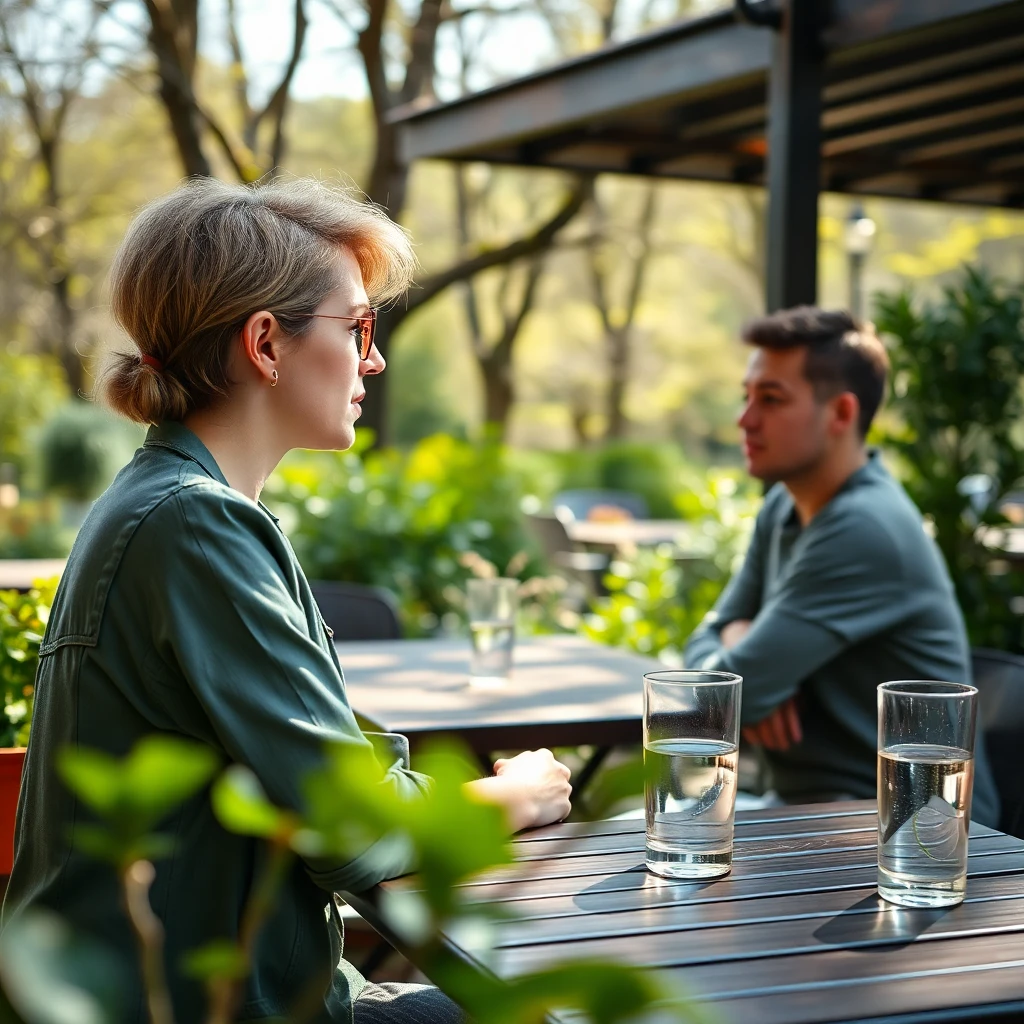
Autistic women are among the most frequently misunderstood people in dating culture. This isn't a small misunderstanding — it has real costs. Autistic women are significantly more likely to experience relationship abuse than neurotypical women. They're more likely to stay in incompatible relationships because masking means partners often don't see the strain. And they're more likely to have spent years assuming the problem was them, not the environment.
If you're dating an autistic woman — or are an autistic woman trying to understand your own experience — this guide is about what actually changes things.
Important context
Autistic women are diagnosed on average 8 years later than autistic men. This means most autistic women have spent significant time in relationships, workplaces, and dating situations without the framework to understand their own experience. Many have internalized the message that they're "too much," "too sensitive," or "difficult." This history matters in dating.
The Masking Reality: Who You're Actually Meeting
Here is the most important thing to understand about dating an autistic woman, particularly early in a relationship: the person in front of you may not be showing you who she actually is.
Autistic women — especially those who were diagnosed late or not at all — are frequently exceptional at masking. They've had decades of practice copying neurotypical social behavior, learning to suppress autistic traits, managing the gap between how they naturally communicate and how they're supposed to communicate. On a date, this performance can look seamless.
What it costs her: masking is exhausting in a way that's difficult to explain. It's not just social tiredness — it's the cognitive load of monitoring every facial expression, vocal tone, body position, and conversational timing simultaneously while also trying to actually connect with another person. The crash afterward can last days.
What this means for you: if she seems perfectly comfortable on dates but then needs significant alone time to recover, that's not contradictory. If she seems confident socially but describes feeling fundamentally different and misunderstood, both things are true simultaneously. The version of her that doesn't have to mask — that's who you want to meet. Creating the conditions for that to happen is the most important thing you can do.
Communication: The Specific Things That Help
Autistic women often communicate very directly when they feel safe, and manage carefully when they don't. The goal is creating safety for direct communication.
✦ What works vs. what doesn't
Green flags
- ✦ Taking her words at face value — she means what she says
- ✦ Asking directly what she needs rather than guessing
- ✦ Giving her time to process before expecting a response
- ✦ Confirming plans explicitly and in writing
- ✦ Being curious about her special interests
Red flags for her
- ◇ Expecting her to pick up on hints and being annoyed she didn't
- ◇ Interpreting her directness as aggression or coldness
- ◇ Reading social exhaustion as disinterest in you
- ◇ Making plans vague and then being surprised she needs confirmation
- ◇ Expecting her to "just know" how you feel
Special Interests: The Fastest Path to Genuine Connection
Many autistic women have intense special interests — areas of deep, passionate expertise and engagement that can feel overwhelming to people who haven't encountered them. This is one of the most significant and underutilized connection points in autistic dating.
What makes the difference: there's a specific quality of attention that autistic people can bring to a partner's interests that neurotypical people rarely match. When an autistic woman becomes genuinely interested in what matters to you, she doesn't give it polite surface-level attention — she studies it. She'll remember details you mentioned once six months ago. She'll make connections you didn't see yourself. Being on the receiving end of that kind of attention is extraordinary, if you let it in.
For you: the fastest path to authentic connection with an autistic woman is genuine curiosity about her special interests. Not polite tolerance. Not asking one question and waiting for the topic to change. Actual engagement — reading the book she loves, asking what specifically draws her to the subject, sharing what resonates with you.
"My girlfriend spent three hours teaching me about Byzantine trade routes because I asked what she found fascinating about them. It wasn't a lecture — she was sharing something she loves. That evening is still one of my favorite memories of our relationship."
— Survey respondent, neurotypical partner of autistic woman
Sensory Needs Are Non-Negotiable, Not Preferences
Sensory sensitivities are common in autistic women and often invisible to outside observation. She may look comfortable in a loud restaurant while her nervous system is working overtime to filter out competing sound. She may seem fine with physical affection while certain kinds of touch are actually aversive.
The practical approach: ask, don't assume. Build a habit of checking in rather than interpreting silence as acceptance. "Is this venue okay for you, or would you prefer somewhere quieter?" is a three-second question that signals the kind of thoughtfulness that makes masking feel unnecessary.
Specific areas where sensory needs often show up in dating:
- Venue noise levels — restaurants with acoustic ceilings, quiet cafes, outdoor spaces
- Lighting intensity — some autistic women find bright overhead lighting physically uncomfortable
- Physical affection — preferences about type, timing, and amount of touch can differ significantly
- Clothing textures — relevant if you're ever choosing gifts or making plans that involve dress codes
- Smells — strong perfume or heavily scented environments can create genuine sensory overwhelm
Where to Meet Autistic Women Who Want to Be Found
Autistic women who are actively looking for compatible partners are increasingly finding each other on Haik — the dating and friendship app built specifically for autistic and ADHD adults. The community self-selects for people who communicate directly and value genuine connection over performed attraction. If you're an autistic woman who hasn't tried it: the community norm is already yours. If you're a neurotypical person interested in dating autistic women: this is where you signal genuine understanding.
✦ Free App
Download Haik free — the dating app built for autistic & ADHD adults
Download on Google Play →
Sarah Chen
Neurodivergent Relationship Specialist & AuDHD Advocate
AuDHD advocate. 5 years neurodivergent relationship research. UC Berkeley counseling psychology.